
Eight Nights in Kenya: A Luxury Safari Itinerary from Nairobi to the Mara
Finch Hattons, Sheldrick Wildlife Trust, and Mahali Mzuri — a shoulder-season safari built for pace, not a highlight reel.
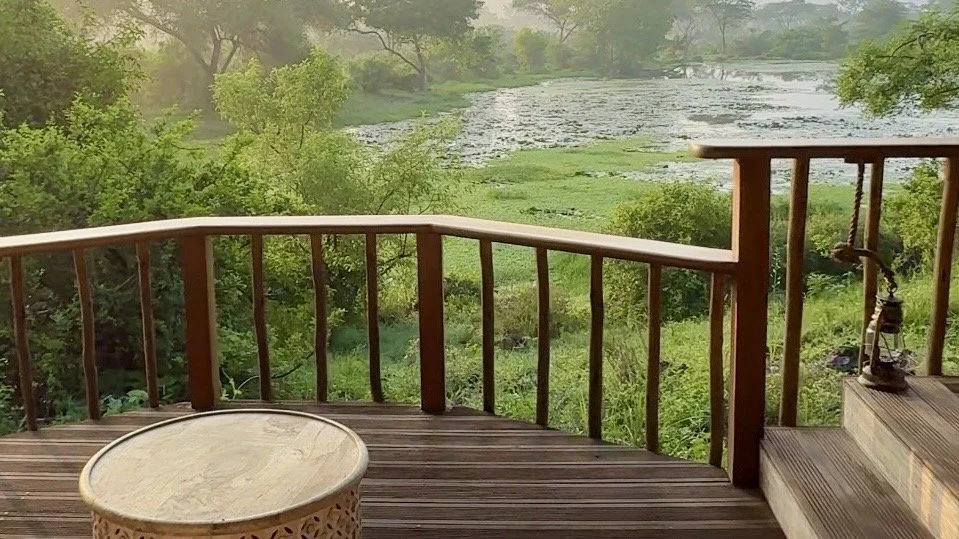
Written by Falguni, Fora Travel Advisor & Founder of Tranquil Explorations. I was born in Kenya, and this itinerary is the one I'd build for a client who wants the version of a safari I grew up knowing exists — not a rushed highlight reel, but time to actually sit with the Mara and the bush. I traveled in March 2026, during the wet or "green" season, and it's a shoulder-season window I'd point more clients toward than they realize.
Day 1: Arrival in Nairobi — Hyatt Regency
Land in Nairobi and settle in for one night at the Hyatt Regency before heading into the bush the next morning. This is deliberately a low-key first night — jet lag recovery, not sightseeing, so you start the safari portion rested.
Day 2-3: Bush Flight to Finch Hattons — Two Nights in Tsavo
A short bush flight from Wilson Airport to the Finch Hattons private airstrip replaces what would otherwise be a long overland transfer, and it's part of the experience — low-altitude views over Tsavo's red-earth landscape start the safari before you've even landed.
Finch Hattons sits in Tsavo West, and two nights here means two full days of game drives without the rush of a one-night stop. Like every camp on this itinerary, stays include two game drives per day and all meals and drinks.
Tsavo West is genuinely uncrowded by Kenya standards — only five camps operate inside it, Finch Hattons among them, so game drives don't come with the traffic-jam-at-a-sighting problem that busier parks can have.
Pro tip: Tsavo's landscape — red volcanic soil, palm-lined springs — looks nothing like the Mara, which is part of why starting here first gives the trip visual range instead of repeating the same scenery for eight days.
Day 4: Back to Nairobi — Sheldrick Trust, Karen Blixen, and a 7-Course Dinner at Embark
A bush flight returns you to Nairobi, and the afternoon is built around three stops that together tell Kenya's colonial and conservation story better than any single one on its own:
Sheldrick Wildlife Trust is the elephant orphanage founded by Daphne Sheldrick, where hand-raised orphaned elephants are prepared for release back into the wild — one of the most emotionally resonant stops in Kenya. Lunch at Karen Blixen Cottage, set on grounds associated with the "Out of Africa" author, offers a slower, garden-set meal after an emotionally heavy morning. Dinner at Embark, a 7-course tasting menu, closes the Nairobi day on a different note entirely.
Day 5-7: Bush Flight to Olare Conservancy — Three Nights at Mahali Mzuri
Another bush flight takes you into the Olare Motorogi Conservancy, adjoining the Masai Mara, where Mahali Mzuri anchors three nights of the trip's core safari time. Three nights here is what actually allows for a predator sighting, not just a guaranteed game drive.
Olare Motorogi is a private conservancy owned by the Maasai people themselves, who lease their land to a limited number of camps — five in total, Mahali Mzuri among them — keeping vehicle density low and giving guides more freedom to go off-road than the national reserve allows. Tourism revenue here flows directly to the Maasai landowners.
Game drives run twice daily, and all meals and drinks are included. Mahali Mzuri also runs a free visit every Thursday to a local Maasai village and market, included in the stay rather than sold as an add-on excursion. The signature moment of the stay is a hot air balloon ride over the Mara at sunrise — silent, low-altitude flight over migrating wildlife, followed by a champagne breakfast set up in the bush on landing.
Day 8: Return to Nairobi
A final bush flight brings you back to Nairobi for one night before departure — enough time to decompress and repack before an international flight out.
Kenya Safari FAQ
How many days do you need for a Kenya safari?
Eight nights, split across two camps plus Nairobi, is enough time to settle into the rhythm of game drives rather than rushing between one-night stops.
What's included in a luxury Kenya safari camp stay?
Two game drives per day, all meals, and all drinks are typically included at camps like Finch Hattons and Mahali Mzuri.
Is a hot air balloon ride over the Masai Mara worth it?
Yes — a sunrise balloon flight offers views impossible to get from a vehicle, followed by a bush breakfast on landing.
What is Sheldrick Wildlife Trust?
An elephant orphanage in Nairobi where hand-raised orphaned elephants are rehabilitated for release back into the wild.
When is the best time for a Kenya safari?
July through October for the Great Migration, the busiest and most expensive window. March through May is wet or "green" season — lower prices, fewer visitors, greener landscapes, with afternoon rain as the tradeoff.
Is a Kenya safari during wet season worth it?
Yes, for the right traveler — rates drop, camps are less crowded, and the landscape is lush rather than dust-dry.
Do you need bush flights for a Kenya safari?
They save significant transfer time between camps and offer low-altitude views that are part of the experience itself.
What is the Olare Motorogi Conservancy?
A private conservancy adjoining the Masai Mara, owned by Maasai landowners who lease the land to just five camps, keeping vehicle density low and allowing off-road game drives.
Planning a trip to Kenya? Contact me — I was born there, and this is one of my core specialties.